NIOSH wishes to remind both employers and employees to regard occupational safety and health as a human right issue.
The right to work in a safe and healthy environment, free from accidents is also the fundamental right of every employee.
Employees and workers have a fundamental right to safety and also have an obligation to work safely too.
The theme for WORLD OSH DAY 2009 is “HEALTH & LIFE AT WORK – A Basic Human Right.”
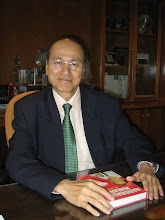
Lee Lam Thye said this when commenting on Prime Minister Dato’ Sri Najib Tun Razak speech today (2/5/2009) in conjunction with HARI PEKERJA 2009 in Bukit Jalil.
Preserving human health is a key objective of social security, promoting and creating a safety and health culture can save lives and reduce costs to society.
NIOSH is proud to play its role to promote the right to productive work in conditions of human dignity, safety and health.
All workers are entitled to safe and healthy working conditions, as articulated in international human rights instruments, regardless of whether they be involved in fieldwork, in the office or other workplace settings.
It is essential for employers and employees to be fully committed to workplace safety. The government, employers and employees must be committed to achieving a work culture that ensures safety and health. It must be emphasized that there should be no compromise on safety and health at the workplace.
Increasingly, the promotion of safer conditions in the workplace is based on promoting a culture of risk and accidents prevention which can improve the health of workers and the productivity of the enterprise.
The overall responsibility for providing a safe and healthy working environment rests with the employers who should demonstrate their commitment to OSH.
This can be done by building and maintaining a preventive safety and health culture that address the principles of prevention, hazard identification, risk assessment and control, information and training, while workers have a duty to cooperate with the employer in implementing this OSH programme.
Monday, May 4, 2009

Mat Rempit
Various parties have expressed serious concern over the issue of Mat Rempit, snatch thefts, robberies and other criminal activities involving youngsters drawn into illegal racing.
Hardly a day goes by without some reports or incidents of members of public being victimized by these misfits of society.
Several concerned individuals have written to the media to express their anger and torment over the issue, particularly those who have fallen victims to these violent youths and their hooligan acts.
While the police should be commended for mounting various dangerous operations against these Mat Rempit – with some police personnel sustaining serious injuries – it would appear that the law enforcers have not been able to put an end to the dare-devil stunts of these misguided youngsters.
With most of those Mat Rempit in the age group of 15 to 19 years the question that needs to be asked is what has happened to parental guidance to these youngsters.
The Government and the Cabinet in particular must take effective and appropriate action to tackle and find on enduring solution to the Mat Rempit menace.
In my view we need to find out the root cause of the Mat Rempit problem. Is it because they come from broken homes and lack parental counseling.
Or is it because they do not have proper places to relax and release their energies or tension?
If this is true then the government needs to provide more sports facilities and more recreational spaces for our youths and teenagers. We need more football fields, more badminton and basketball courts, more affordable sports amenities for the young. There should be more spaces for games and sports in our cities and towns.
In this regard, our Housing and Local Government Ministry as well as the respective State Governments should ensure that all local authorities provide adequate sports amenities in our cities, towns and districts to help produce healthy bodies and minds and our teenagers will not turn to be Mat Rempit or involve in negative activities.
The Government should also review all relevant legislation to strengthen law enforcement and deal with Mat Rempit and illegal racing effectively.
Among other proposals that could be considered should include classifying repeat Mat Rempit offenders as juvenile delinquents who should then be sent to a reform school like that of the Henry Gurney Schools where they will be provided with counseling and skills training.
For parents who neglect their responsibility in disciplining and guiding their children who are under their care, perhaps there is a basis for parents to be imposed bonds for good behaviour of their kids.
Hardly a day goes by without some reports or incidents of members of public being victimized by these misfits of society.
Several concerned individuals have written to the media to express their anger and torment over the issue, particularly those who have fallen victims to these violent youths and their hooligan acts.
While the police should be commended for mounting various dangerous operations against these Mat Rempit – with some police personnel sustaining serious injuries – it would appear that the law enforcers have not been able to put an end to the dare-devil stunts of these misguided youngsters.
With most of those Mat Rempit in the age group of 15 to 19 years the question that needs to be asked is what has happened to parental guidance to these youngsters.
The Government and the Cabinet in particular must take effective and appropriate action to tackle and find on enduring solution to the Mat Rempit menace.
In my view we need to find out the root cause of the Mat Rempit problem. Is it because they come from broken homes and lack parental counseling.
Or is it because they do not have proper places to relax and release their energies or tension?
If this is true then the government needs to provide more sports facilities and more recreational spaces for our youths and teenagers. We need more football fields, more badminton and basketball courts, more affordable sports amenities for the young. There should be more spaces for games and sports in our cities and towns.
In this regard, our Housing and Local Government Ministry as well as the respective State Governments should ensure that all local authorities provide adequate sports amenities in our cities, towns and districts to help produce healthy bodies and minds and our teenagers will not turn to be Mat Rempit or involve in negative activities.
The Government should also review all relevant legislation to strengthen law enforcement and deal with Mat Rempit and illegal racing effectively.
Among other proposals that could be considered should include classifying repeat Mat Rempit offenders as juvenile delinquents who should then be sent to a reform school like that of the Henry Gurney Schools where they will be provided with counseling and skills training.
For parents who neglect their responsibility in disciplining and guiding their children who are under their care, perhaps there is a basis for parents to be imposed bonds for good behaviour of their kids.
Monday, April 27, 2009
World OSH Day 2009
TOMORROW (28TH APRIL 2009) is World Occupational Safety and Health Day (OSH) and is commemorated worldwide including Malaysia.
The theme for World OSH Day 2009 is “HEALTH & LIFE AT WORK – A Basic Human Right.”
Employees and workers have a fundamental right to safety and also have an obligation to work safely too.
The right to life is the most fundamental human right. The right to work in a safe and healthy environment, free from accidents is also the fundamental right of every employee.
NIOSH wishes to remind both employers and employees to regard occupational safety and health as a human right issue.
Preserving human health is a key objective of social security, promoting and creating a safety and health culture can save lives and reduce costs to society.
NIOSH is proud to play its role to promote the right to productive work in conditions of human dignity, safety and health.
All workers are entitled to safe and healthy working conditions, as articulated in international human rights instruments, regardless of whether they be involved in fieldwork, in the office or other workplace settings.
It is high time for employers and employees to prove they are fully committed to workplace safety. The government, employers and employees must be committed to achieving a work culture that ensures safety and health. It must be emphasized that there should be no compromise on safety and health at the workplace.
Increasingly, the promotion of safer conditions in the workplace is based on promoting a culture of risk and accidents prevention which can improve the health of workers and the productivity of the enterprise.
The overall responsibility for providing a safe and healthy working environment rests with the employers who should demonstrate their commitment to OSH.
This can be done by building and maintaining a preventive safety and health culture that address the principles of prevention, hazard identification, risk assessment and control, information and training, while workers have a duty to cooperate with the employer in implementing this OSH programme.
The theme for World OSH Day 2009 is “HEALTH & LIFE AT WORK – A Basic Human Right.”
Employees and workers have a fundamental right to safety and also have an obligation to work safely too.
The right to life is the most fundamental human right. The right to work in a safe and healthy environment, free from accidents is also the fundamental right of every employee.
NIOSH wishes to remind both employers and employees to regard occupational safety and health as a human right issue.
Preserving human health is a key objective of social security, promoting and creating a safety and health culture can save lives and reduce costs to society.
NIOSH is proud to play its role to promote the right to productive work in conditions of human dignity, safety and health.
All workers are entitled to safe and healthy working conditions, as articulated in international human rights instruments, regardless of whether they be involved in fieldwork, in the office or other workplace settings.
It is high time for employers and employees to prove they are fully committed to workplace safety. The government, employers and employees must be committed to achieving a work culture that ensures safety and health. It must be emphasized that there should be no compromise on safety and health at the workplace.
Increasingly, the promotion of safer conditions in the workplace is based on promoting a culture of risk and accidents prevention which can improve the health of workers and the productivity of the enterprise.
The overall responsibility for providing a safe and healthy working environment rests with the employers who should demonstrate their commitment to OSH.
This can be done by building and maintaining a preventive safety and health culture that address the principles of prevention, hazard identification, risk assessment and control, information and training, while workers have a duty to cooperate with the employer in implementing this OSH programme.
协助肾脏病人 - 捐献洗肾机器
目前世界各国都面对经济大海啸,我国的经济亦不理想;可是实达基金会仍然关注贫穷人士的福利问题,尤其是肾脏病人。自从半年前在巴生谷、槟城与柔佛开始推行的洗肾补贴计划,实达基金会再次帮助肾脏病人;通过捐赠新的洗肾机器,以便能够减轻肾脏病人的负担。这台洗肾机器共值4万4千令吉。
实达基金会主席丹斯里李霖泰在实达基金会与马联肾脏慈善基金会的支票与洗肾机器移交仪式上表示肾脏病人必须终身接受洗肾治疗来延续生命,每个星期必须接受3次的洗肾治疗。
在目前全球经济大海啸与我国面临经济不景的时候,实达基金会再次为肾脏病人带来希望,实达基金会捐赠一台价值4万4千令吉的洗肾机器予马联肾脏慈善基金会属下的洗肾中心,以便更多的洗肾病人能够受惠。这已经是第二台捐赠予马联肾脏慈善基金会的洗肾机器。
李氏希望额外增加的洗肾机器能够让洗肾中心提供更好的服务及帮助更多的肾脏病人。
李氏透露早在去年8月开始实达基金会已经给予每名经过筛选的贫穷肾脏病人每月500令吉的洗肾补贴。实达基金会已经决定每年从预算拨款中挪出60万令吉以便推行这项补贴计划。
从今年开始,基金会每月将花费5万令吉赞助来自巴生谷、槟城与柔佛的100名贫穷肾脏病人。在目前经济下滑与百物价上涨的时候,实达基金会的洗肾补贴计划确实减轻不少肾脏病人的财务负担。
实达基金会主席丹斯里李霖泰在实达基金会与马联肾脏慈善基金会的支票与洗肾机器移交仪式上表示肾脏病人必须终身接受洗肾治疗来延续生命,每个星期必须接受3次的洗肾治疗。
在目前全球经济大海啸与我国面临经济不景的时候,实达基金会再次为肾脏病人带来希望,实达基金会捐赠一台价值4万4千令吉的洗肾机器予马联肾脏慈善基金会属下的洗肾中心,以便更多的洗肾病人能够受惠。这已经是第二台捐赠予马联肾脏慈善基金会的洗肾机器。
李氏希望额外增加的洗肾机器能够让洗肾中心提供更好的服务及帮助更多的肾脏病人。
李氏透露早在去年8月开始实达基金会已经给予每名经过筛选的贫穷肾脏病人每月500令吉的洗肾补贴。实达基金会已经决定每年从预算拨款中挪出60万令吉以便推行这项补贴计划。
从今年开始,基金会每月将花费5万令吉赞助来自巴生谷、槟城与柔佛的100名贫穷肾脏病人。在目前经济下滑与百物价上涨的时候,实达基金会的洗肾补贴计划确实减轻不少肾脏病人的财务负担。
Komen terhadap Raja
Semua rakyat Malaysia, terutamanya ahli politik harus akur dengan peringatan Sultan Perak mengenai pentingnya Institusi Raja Melayu disisihkan daripada sebarang pergolakan atau pertikaian politk sesama mereka.
Institusi Raja-raja perlu dipertahankan sebagai payung naungan rakyat sepanjang zaman daripada dicemari oleh mana-mana pihak.
Dalam konteks ini titah Sultan Perak perlu dijadikan iktibar dan panduan kepada rakyat supaya institusi Raja-raja tidak diheret ke kancah politik dan Raja berada di atas politik.
Persefahaman terhadap peranan Institusi Raja dalam masyarakat majmuk adalah penting dalam memastikan keamanan dan kemakmuran negara kita.
Institusi Raja-raja perlu dipertahankan sebagai payung naungan rakyat sepanjang zaman daripada dicemari oleh mana-mana pihak.
Dalam konteks ini titah Sultan Perak perlu dijadikan iktibar dan panduan kepada rakyat supaya institusi Raja-raja tidak diheret ke kancah politik dan Raja berada di atas politik.
Persefahaman terhadap peranan Institusi Raja dalam masyarakat majmuk adalah penting dalam memastikan keamanan dan kemakmuran negara kita.
Maintenance and Safety Culture in the Country
NIOSH Chairman, Tan Sri Lee Lam Thye today suggested to the new Najib Administration to put an end to the poor and unsatisfactory maintenance of public infrastructure facilities and public amenities and work towards the emergence of a new era which gives emphasis to a strong maintenance and safety culture in the country.
One of the many issues of public concern is how to develop a strong maintenance culture in Malaysia in the interest of public safety and convenience.
Malaysia is known as a country which prides itself in the provision of First World infrastructure but not in terms of its maintenance of these infrastructure.
Incidences of defects and breakdown in new government buildings and infrastructures are still fresh in our minds. Problems of such nature are embarrassing and far too serious to be ignored.
Poor maintenance of public buildings and infrastructures can lead to accidents and injuries. Public toilets which are not properly maintained can cause public inconveniences. Children’s playgrounds poorly maintained can also result in accidents and injuries. Roads and public drains not properly maintained can also cause flash floods.
Potholes which are left unattended to for weeks greatly inconvenience motorists. Failure to prune tree branches and leaves that obstruct road signages along our highways, federal, state and town roads also cause inconvenience to motorists.
These unpleasant occurrences are a reflection of a Malaysian malaise clearly manifested in inferior quality work, poor execution, inept management, poor maintenance and lack of ethics.
What is at stake is not only the question of ethics but also the issue of Safety and Health at work. The occurrence of collapsing structure in buildings is an issue affecting health and safety at work which must not be overlooked.
It is time for everyone to curb the Malaysian malaise of inferior quality work, poor execution, inept management and poor maintenance.
The comment that Malaysia is a case of a country “having First World infrastructure but Third World Mentality” is very true when it comes to the practice of maintenance.
Maintenance and service has never been the country’s forte. We are good at providing state-of-the-art buildings and equipment but when it comes to maintaining them and making them function properly we have many shortcomings and weaknesses.
All authorities and every Malaysian must imbibe the culture of strong maintenance and make it a way of life. Let us not have first world infrastructure but a third class mentality when it comes to maintenance.
I call on the new Najib Administration to put an end to the poor and unsatisfactory maintenance of public amenities in the country.
The time has come for the emergence of a new era which gives emphasis to the development of a strong maintenance and safety culture.
Improving a country’s image is not only the responsibility of the government but also the duty of each citizen who must be civic-minded.
Despite Malaysia’s success in economic development, we have not succeeded to develop a civic-minded society. Indiscriminate throwing of litter is still very common despite public campaigns on anti-littering.
Let it not be said that Malaysians work hard to pursue wealth and success but lose sight of their civic obligations.
One of the many issues of public concern is how to develop a strong maintenance culture in Malaysia in the interest of public safety and convenience.
Malaysia is known as a country which prides itself in the provision of First World infrastructure but not in terms of its maintenance of these infrastructure.
Incidences of defects and breakdown in new government buildings and infrastructures are still fresh in our minds. Problems of such nature are embarrassing and far too serious to be ignored.
Poor maintenance of public buildings and infrastructures can lead to accidents and injuries. Public toilets which are not properly maintained can cause public inconveniences. Children’s playgrounds poorly maintained can also result in accidents and injuries. Roads and public drains not properly maintained can also cause flash floods.
Potholes which are left unattended to for weeks greatly inconvenience motorists. Failure to prune tree branches and leaves that obstruct road signages along our highways, federal, state and town roads also cause inconvenience to motorists.
These unpleasant occurrences are a reflection of a Malaysian malaise clearly manifested in inferior quality work, poor execution, inept management, poor maintenance and lack of ethics.
What is at stake is not only the question of ethics but also the issue of Safety and Health at work. The occurrence of collapsing structure in buildings is an issue affecting health and safety at work which must not be overlooked.
It is time for everyone to curb the Malaysian malaise of inferior quality work, poor execution, inept management and poor maintenance.
The comment that Malaysia is a case of a country “having First World infrastructure but Third World Mentality” is very true when it comes to the practice of maintenance.
Maintenance and service has never been the country’s forte. We are good at providing state-of-the-art buildings and equipment but when it comes to maintaining them and making them function properly we have many shortcomings and weaknesses.
All authorities and every Malaysian must imbibe the culture of strong maintenance and make it a way of life. Let us not have first world infrastructure but a third class mentality when it comes to maintenance.
I call on the new Najib Administration to put an end to the poor and unsatisfactory maintenance of public amenities in the country.
The time has come for the emergence of a new era which gives emphasis to the development of a strong maintenance and safety culture.
Improving a country’s image is not only the responsibility of the government but also the duty of each citizen who must be civic-minded.
Despite Malaysia’s success in economic development, we have not succeeded to develop a civic-minded society. Indiscriminate throwing of litter is still very common despite public campaigns on anti-littering.
Let it not be said that Malaysians work hard to pursue wealth and success but lose sight of their civic obligations.
Budaya Penyengaran baik dapat dilaksanakan di Malaysia demi keselesaan dan keselamatan Orang Ramai
Salah satu dari isu yang menjadi perhatian kepada orang ramai ialah bagaimanakah budaya penyengaraan yang baik dapat dilaksanakan di Malaysia demi keselamatan dan keselesaan orang ramai.
Malaysia dikenali sebagai sebuah negara yang berbangga dengan kemampuannya untuk menyediakan prasarana bertaraf dunia, tetapi tidak dari segi penyengaraan yang baik.
Kejadian kecacatan dan kerosakan bangunan baru kerajaan dan prasarana yang di bangunkan oleh kerajaan maseh segar dalam ingatan kita semua. Masalah seperti ini adalah amat memalukan dan terlalu sirius untuk di abaikan.
Penyenggaraan yang buruk terhadap bangunan dan prasarana awam boleh membawa kepada kemalangan dan kecederaan. Tandas awam yang tidak diselenggara dengan baik menyebabkan ketidak selisaan kepada orang ramai. Taman permainan kanak-kanak yang tidak diselenggara dengan baik juga boleh menyebabkan kemalangan dan kecederaan. Sementara jalan raya dan longkang yang tidak diselenggara dengan baik boleh menyebabkan banjir kilat.
Jalan berlubang yang dibiarkan berminggu minggu membahayakan pengguna jalan raya. Kegagalan untuk memotong pokok dan dahan yang menutupi papantanda disepanjang jalanraya kita pula menyebabkan kesulitan kepada pengguna jalan raya.
Kejadian-kejadian yang tidak menyenangkan ini adalah imbasan kepada rasa tidak senang rakyat Malaysia terhadap kualiti kerja yang rendah, perlaksanaan yang tidak sempurna, pengurusan yang lemah, budaya penyenggaraan yang buruk dan kurangnya etika kerja dikalangan mereka yang terlibat.
Apa yang menjadi persoalan bukan sahaja isu etika kerja tetapi juga isu keselamatan dan kesihatan ditempat kerja. Kejadian keruntuhan di bangunan-bangunan adalah isu keselamatan dan kesihatan ditempat kerja yang tidak boleh dipandang ringan.
Sudah sampai masanya bagi semua pihak untuk bertindak atau berbuat sesuatu untuk mengelakkan atau menyekat perkara yang tidak menyenangkan rakyat Malaysia dari berulang seperti kualiti kerja yang rendah, perlaksanaan yang tidak sempurna, pengurusan yang lemah dan penyenggaraan yang buruk.
Komen yang Malaysia adalah sebuah negara yang “mempunyai prasarana kelas pertama dunia tetapi mentaliti kelas dunia ketiga” adalah tepat apabila kita berkata mengenai budaya penyenggaraan dinegara ini.
Budaya penyenggaraan dan perkhidmatan sememangnya bukan kekuatan kita. Kita amat baik didalam menyediakan bangunan dan prasarana yang canggih, tetapi apabila tiba kepada soal penyenggaraan dan menjaga bangunan dan prasarana tersebut kita mempunyai banyak kelemahan dan masaalah.
Semua pihak berkuasa dan rakyat Malaysia perlu menanam budaya penyenggaraan yang baik dan menjadikanya sebagai cara hidup seharian. Marilah kita mengubah sikap “prasarana kelas dunia pertama tetapi minda kelas dunia ketiga” apabila kita melakukan penyenggaraan.
Masanya sudah sampai untuk satu era baru yang menekankan terhadap budaya penyenggaraan dan keselamatan yang baik.
Memperbaiki imej negara bukan sahaja tanggung-jawab kerajaan tetapi juga semua rakyat Malaysia yang seharusnya mempunyai rasa bertanggung-jawab.
Walaupun Malaysia telah berjaya dari segi pembangunan ekonomi, kita masih belum berjaya membangunankan masyarakat yang bertanggung-jawab atau yang berminda sivik. Pembungan sampah di merata tempat masih lumrah walaupun pelbagai kempen telah dilakukan.
Janganlah kita dikatakan rakyat Malaysia bekerja kuat untuk mengumpulkan harta dan mencapai kejayaan tetapi hilang rasa tanggung-jawab sivik mereka.
Malaysia dikenali sebagai sebuah negara yang berbangga dengan kemampuannya untuk menyediakan prasarana bertaraf dunia, tetapi tidak dari segi penyengaraan yang baik.
Kejadian kecacatan dan kerosakan bangunan baru kerajaan dan prasarana yang di bangunkan oleh kerajaan maseh segar dalam ingatan kita semua. Masalah seperti ini adalah amat memalukan dan terlalu sirius untuk di abaikan.
Penyenggaraan yang buruk terhadap bangunan dan prasarana awam boleh membawa kepada kemalangan dan kecederaan. Tandas awam yang tidak diselenggara dengan baik menyebabkan ketidak selisaan kepada orang ramai. Taman permainan kanak-kanak yang tidak diselenggara dengan baik juga boleh menyebabkan kemalangan dan kecederaan. Sementara jalan raya dan longkang yang tidak diselenggara dengan baik boleh menyebabkan banjir kilat.
Jalan berlubang yang dibiarkan berminggu minggu membahayakan pengguna jalan raya. Kegagalan untuk memotong pokok dan dahan yang menutupi papantanda disepanjang jalanraya kita pula menyebabkan kesulitan kepada pengguna jalan raya.
Kejadian-kejadian yang tidak menyenangkan ini adalah imbasan kepada rasa tidak senang rakyat Malaysia terhadap kualiti kerja yang rendah, perlaksanaan yang tidak sempurna, pengurusan yang lemah, budaya penyenggaraan yang buruk dan kurangnya etika kerja dikalangan mereka yang terlibat.
Apa yang menjadi persoalan bukan sahaja isu etika kerja tetapi juga isu keselamatan dan kesihatan ditempat kerja. Kejadian keruntuhan di bangunan-bangunan adalah isu keselamatan dan kesihatan ditempat kerja yang tidak boleh dipandang ringan.
Sudah sampai masanya bagi semua pihak untuk bertindak atau berbuat sesuatu untuk mengelakkan atau menyekat perkara yang tidak menyenangkan rakyat Malaysia dari berulang seperti kualiti kerja yang rendah, perlaksanaan yang tidak sempurna, pengurusan yang lemah dan penyenggaraan yang buruk.
Komen yang Malaysia adalah sebuah negara yang “mempunyai prasarana kelas pertama dunia tetapi mentaliti kelas dunia ketiga” adalah tepat apabila kita berkata mengenai budaya penyenggaraan dinegara ini.
Budaya penyenggaraan dan perkhidmatan sememangnya bukan kekuatan kita. Kita amat baik didalam menyediakan bangunan dan prasarana yang canggih, tetapi apabila tiba kepada soal penyenggaraan dan menjaga bangunan dan prasarana tersebut kita mempunyai banyak kelemahan dan masaalah.
Semua pihak berkuasa dan rakyat Malaysia perlu menanam budaya penyenggaraan yang baik dan menjadikanya sebagai cara hidup seharian. Marilah kita mengubah sikap “prasarana kelas dunia pertama tetapi minda kelas dunia ketiga” apabila kita melakukan penyenggaraan.
Masanya sudah sampai untuk satu era baru yang menekankan terhadap budaya penyenggaraan dan keselamatan yang baik.
Memperbaiki imej negara bukan sahaja tanggung-jawab kerajaan tetapi juga semua rakyat Malaysia yang seharusnya mempunyai rasa bertanggung-jawab.
Walaupun Malaysia telah berjaya dari segi pembangunan ekonomi, kita masih belum berjaya membangunankan masyarakat yang bertanggung-jawab atau yang berminda sivik. Pembungan sampah di merata tempat masih lumrah walaupun pelbagai kempen telah dilakukan.
Janganlah kita dikatakan rakyat Malaysia bekerja kuat untuk mengumpulkan harta dan mencapai kejayaan tetapi hilang rasa tanggung-jawab sivik mereka.
合力对付攫夺匪
我国的罪案率严重已经成为广大群众的一个话题,尤其是一些攫夺匪凶狠残暴的行径;人民感到十分的恐惧,不知哪天成为攫夺的受害者。这是一项非常迫切与严重的问题,马来西亚防范罪案基金会副主席丹斯里李霖泰今日在怡保促请政府,尤其是执法单位必须与人民配合,全面向攫夺匪宣战,打击犯罪活动。
政府必须利用其全部力量,努力展开逮捕行动并将他们绳之以法。李氏表示防范罪案不是警方单方面的工作,人民必须与警方合作才能遏制或控制罪案的发生。马来西亚防范罪案基金会的目标之一就是大力推广防范罪案文化是共同的责任。
政府及各执法机构,包括地方当局、非政府组织与市民应该万众一心,致力于打击攫夺匪与其它的犯罪活动,他们的劣型是我们社会的一个祸根。
警队必须加倍的努力,提高训练所有警察掌握各项警务技能,并确保他们履行其专业的公共职责。警方必须诚实、坚决、公平和以礼待人以不辜负他们的座右铭。
人民希望警队的承诺,能够有效地转化为具体行动,以恢复与提高人民对警察部队的信任和预防罪案的发生。
由于目前的经济并不理想可能会导致罪案继续恶化下去;而攫夺与抢劫案几乎天天上演,无时无刻在任何的地点都有可能发生。因此,我国社会的各阶层人士应该给予强烈的谴责并互相合作全力打击攫夺匪与劫匪。
近年来已经发生多起攫夺案导致伤亡的悲剧,因此李氏相信手无寸铁的人民将夹在攫夺与抢劫罪案之间。李氏表示我们应该采取各种措施以全力实施打击与杜绝攫夺匪与劫匪,包括: -
1. 警方应该提供更多的警力与资源,不只是在吉隆坡而是全国各地全力捕抓攫夺与抢劫匪。
2. 各地方当局应推行倡议和实施各种指导方针。在安全城市的概念下,提供各项安全措施,如建设有围栏的行人道等等。
3. 人民必须时常提高警惕,并依据警方与马来西亚防范罪案基金会所付诸实践的指导原则或贴士,人民能够知晓如何防止攫夺案的发生及避免成为抢劫案的受害者。
4. 市民必须全力以赴,在自身安全受到保障的情况下,帮助受害者抓拿攫夺匪或劫匪,并将他们移交给有关当局。
5. 政府必须严格惩罚被定罪的攫夺匪与劫匪,被定罪者必须强制性的接受牢狱的惩罚。
政府必须利用其全部力量,努力展开逮捕行动并将他们绳之以法。李氏表示防范罪案不是警方单方面的工作,人民必须与警方合作才能遏制或控制罪案的发生。马来西亚防范罪案基金会的目标之一就是大力推广防范罪案文化是共同的责任。
政府及各执法机构,包括地方当局、非政府组织与市民应该万众一心,致力于打击攫夺匪与其它的犯罪活动,他们的劣型是我们社会的一个祸根。
警队必须加倍的努力,提高训练所有警察掌握各项警务技能,并确保他们履行其专业的公共职责。警方必须诚实、坚决、公平和以礼待人以不辜负他们的座右铭。
人民希望警队的承诺,能够有效地转化为具体行动,以恢复与提高人民对警察部队的信任和预防罪案的发生。
由于目前的经济并不理想可能会导致罪案继续恶化下去;而攫夺与抢劫案几乎天天上演,无时无刻在任何的地点都有可能发生。因此,我国社会的各阶层人士应该给予强烈的谴责并互相合作全力打击攫夺匪与劫匪。
近年来已经发生多起攫夺案导致伤亡的悲剧,因此李氏相信手无寸铁的人民将夹在攫夺与抢劫罪案之间。李氏表示我们应该采取各种措施以全力实施打击与杜绝攫夺匪与劫匪,包括: -
1. 警方应该提供更多的警力与资源,不只是在吉隆坡而是全国各地全力捕抓攫夺与抢劫匪。
2. 各地方当局应推行倡议和实施各种指导方针。在安全城市的概念下,提供各项安全措施,如建设有围栏的行人道等等。
3. 人民必须时常提高警惕,并依据警方与马来西亚防范罪案基金会所付诸实践的指导原则或贴士,人民能够知晓如何防止攫夺案的发生及避免成为抢劫案的受害者。
4. 市民必须全力以赴,在自身安全受到保障的情况下,帮助受害者抓拿攫夺匪或劫匪,并将他们移交给有关当局。
5. 政府必须严格惩罚被定罪的攫夺匪与劫匪,被定罪者必须强制性的接受牢狱的惩罚。
Masalah Mat Rempit
Rakyat Malaysia yang patuh kepada undang-undang sudah pasti akan menyokong sebarang langkah atau inisiatif yang dapat membendong kegiatan lumba haram yang telah menjadi duri dalam daging kepada masyarakat sejak beberapa tahun kebelakangan ini.
Sehubungan dengan itu saya mengalu-alukan cadangan untuk meminda Akta Pengangkutan Jalan Raya dan memperkenalkan satu seksyen khas untuk mengawal kegiatan lumba haram dan menghukum pelumba haram.
Pada masa ini pelumba haram diambil tindakan dibawah undang-undang “memandu secara bahaya” dimana hukumannya tidak berkesan untuk mencegah pelumba haram tersebut dari mengulangi perbuatan mereka.
Polis Diraja Malaysia telah mencadangkan Akta Pengangkutan Jalan Raya di pinda agar hukuman lebih berat dapat diperkenalkan keatas pemandu yang “gila laju” seperti Mat Rempit yang mengambil bahagian didalam perlumbaan haram dan ditangkap lebih dari satu kali.
Menghukum pesalah remaja yang mengambil bahagian didalam perlumbaan haram dengan membuat kerja-kerja amal sehingga 100 jam adalah salah satu langkah yang boleh dipertimbangkan.
Pesalah berkenaan yang didapati bersalah patutlah ditahan di Sekolah Henry Gurney untuk suatu tempoh yang ditetapkan.
Kebanyakan Mat Rempit adalah dalam lingkungan umur 15 ke 19 tahun, sebahagiannya dari kalangan pelajar dan kebanyakan adalah mereka yang telah kandas dalam pelajaran atau telah berhenti sekolah.
Soalannya ialah apa sudah terjadi dengan ibu bapa mereka. Tidak-kah ibubapa berprihatin dengan tingkah laku anak mereka yang terlibat dalam aktiviti Mat Rempit.
Mereka bukan sahaja membahayakan diri mereka semasa beraksi dengan motosikal mereka, tetapi juga membahayakan orang ramai yang menggunakan jalan raya.
Telah seringkali orang awam mengadu bagaimana mereka telah menjadi mangsa Mat Rempit yang terlibat dalam lumba haram, termasuk masalah pencemaran bunyi bising hasil dari kegiatan mereka.
Apa yang amat membimbangkan ialah penglibatan Mat Rempit dalam kegiatan jenayah seperti yang dilaporkan dalam media baru-baru ini.
Terdapat tidak kurang dari lima kes yang dibawa kepengetahuan saya di mana golongan warga tua kehilangan nyawa apabila dilanggar oleh pelumba haram yang tidak dikenali yang melarikan diri.
Saya berpendapat pihak berkuasa yang berkenaan perlu bertindak dengan tegas untuk membanteras kegiatan Mat Rempit ini buat selama-lamanya.
Apa yang jelas ialah berbagai operasi yang telah dilakukan oleh pihak berkuasa sehingga kini tidak dapat membendung kegiatan Mat Rempit ini tanpa undang-undang yang lebih berkesan beserta dengan hukuman yang dapat mencegah mereka melakukan perbuatan tersebut.
Sehubungan dengan itu saya mengalu-alukan cadangan untuk meminda Akta Pengangkutan Jalan Raya dan memperkenalkan satu seksyen khas untuk mengawal kegiatan lumba haram dan menghukum pelumba haram.
Pada masa ini pelumba haram diambil tindakan dibawah undang-undang “memandu secara bahaya” dimana hukumannya tidak berkesan untuk mencegah pelumba haram tersebut dari mengulangi perbuatan mereka.
Polis Diraja Malaysia telah mencadangkan Akta Pengangkutan Jalan Raya di pinda agar hukuman lebih berat dapat diperkenalkan keatas pemandu yang “gila laju” seperti Mat Rempit yang mengambil bahagian didalam perlumbaan haram dan ditangkap lebih dari satu kali.
Menghukum pesalah remaja yang mengambil bahagian didalam perlumbaan haram dengan membuat kerja-kerja amal sehingga 100 jam adalah salah satu langkah yang boleh dipertimbangkan.
Pesalah berkenaan yang didapati bersalah patutlah ditahan di Sekolah Henry Gurney untuk suatu tempoh yang ditetapkan.
Kebanyakan Mat Rempit adalah dalam lingkungan umur 15 ke 19 tahun, sebahagiannya dari kalangan pelajar dan kebanyakan adalah mereka yang telah kandas dalam pelajaran atau telah berhenti sekolah.
Soalannya ialah apa sudah terjadi dengan ibu bapa mereka. Tidak-kah ibubapa berprihatin dengan tingkah laku anak mereka yang terlibat dalam aktiviti Mat Rempit.
Mereka bukan sahaja membahayakan diri mereka semasa beraksi dengan motosikal mereka, tetapi juga membahayakan orang ramai yang menggunakan jalan raya.
Telah seringkali orang awam mengadu bagaimana mereka telah menjadi mangsa Mat Rempit yang terlibat dalam lumba haram, termasuk masalah pencemaran bunyi bising hasil dari kegiatan mereka.
Apa yang amat membimbangkan ialah penglibatan Mat Rempit dalam kegiatan jenayah seperti yang dilaporkan dalam media baru-baru ini.
Terdapat tidak kurang dari lima kes yang dibawa kepengetahuan saya di mana golongan warga tua kehilangan nyawa apabila dilanggar oleh pelumba haram yang tidak dikenali yang melarikan diri.
Saya berpendapat pihak berkuasa yang berkenaan perlu bertindak dengan tegas untuk membanteras kegiatan Mat Rempit ini buat selama-lamanya.
Apa yang jelas ialah berbagai operasi yang telah dilakukan oleh pihak berkuasa sehingga kini tidak dapat membendung kegiatan Mat Rempit ini tanpa undang-undang yang lebih berkesan beserta dengan hukuman yang dapat mencegah mereka melakukan perbuatan tersebut.
Monday, April 20, 2009
Avoid from lightning strike again in government hospitals
I read with utmost concern the fire that broke out at Ward 3C of the Putrajaya Hospital believed to be as a result of a lightning strike during heavy rain.
Health Minister Datuk Seri Liow Tiong Lai has every reason to be embarrassed by the incident.
If it is true that the fire occurred due to a lightning strike, then the relevant authority is answerable as to why the lightning arrestor that had been installed failed to work.
It was fortunate that none of the patients and Hospital Staff in that Ward were harmed during the fire.
Although it can be dismissed as an isolated case, the fact that the fire had occurred in the ward, necessitates a thorough investigation in the incident and the findings be made public.
Furthermore if a fire can occur in an important health institution like the Putrajaya Hospital, it certainly does not speak well of the performance of those placed in charge of the safety of the building.
The fire should also be looked upon seriously from the point of view of safety and health at the workplace besides the safety of the patients.
The Minister of Health and the Ministry must take all necessary measures to ensure that such incidents will not recur in any Government Hospitals in the future.
Health Minister Datuk Seri Liow Tiong Lai has every reason to be embarrassed by the incident.
If it is true that the fire occurred due to a lightning strike, then the relevant authority is answerable as to why the lightning arrestor that had been installed failed to work.
It was fortunate that none of the patients and Hospital Staff in that Ward were harmed during the fire.
Although it can be dismissed as an isolated case, the fact that the fire had occurred in the ward, necessitates a thorough investigation in the incident and the findings be made public.
Furthermore if a fire can occur in an important health institution like the Putrajaya Hospital, it certainly does not speak well of the performance of those placed in charge of the safety of the building.
The fire should also be looked upon seriously from the point of view of safety and health at the workplace besides the safety of the patients.
The Minister of Health and the Ministry must take all necessary measures to ensure that such incidents will not recur in any Government Hospitals in the future.
"1 Malaysia" Concept for "Safe Community"
The Malaysia Crime Prevention Foundation (MCPF) wishes to suggest to Prime Minister Dato’ Sri Najib Tun Razak to introduce and implement the idea of Safe Communities in line with the “One Malaysia” concept.
A “One Malaysia” must also mean a safe and secure Malaysia – a nation free not only from crime but also from unwanted accidents and man-made disasters.
The definition of a “Safe Community” is one in which people live, work and play safely and healthily.
Besides improving the lives of individuals, safe communities create many common benefits, such as improved safety for the public, less crimes, improved productivity and competitiveness, lower health-care costs, and a reduction in other social expenditure.
Developing a safety culture is best achieved through building a safe community. The Safe Community approach provides a focal point for the community leaders, employers and employees, policemen, firemen, safety professionals and those who are keen in community affairs to build a better community where they work or live.
A safe and healthy workplace will benefit the enterprises not only in reduced injuries and cost of accidents, it also enhances the productivity and workers’ morale.
A comfortable and safe environment for schools and hospitals will improve the safety of school children and the effective delivery of services; a community where safety culture is strong and concern for others is high will also benefit the government administration.
The Safe Community Program is an integrated development of safety culture in the community that encompasses work safety, school safety, recreational safety, crime prevention and others. Effective programs can be realised through the synergy of safety & health initiatives of different community groups, local corporations, businesses, organizations, associations, schools, health care providers, government agencies and other service groups.
Other than the economy, crime has become an issue of major concern to all Malaysians. As crimes continue to occur, more so in view of the economic downturn and given the fact that law enforcement alone is inadequate to tackle crime, the government has to promulgate effective social policies and programmes to prevent and control criminal activities.
Policy makers, academicians, non-government organisations and the various strata of society need to stand up to the challenge of making our cities, towns and villages safe and liveable for everyone.
A “One Malaysia” must also mean a safe and secure Malaysia – a nation free not only from crime but also from unwanted accidents and man-made disasters.
The definition of a “Safe Community” is one in which people live, work and play safely and healthily.
Besides improving the lives of individuals, safe communities create many common benefits, such as improved safety for the public, less crimes, improved productivity and competitiveness, lower health-care costs, and a reduction in other social expenditure.
Developing a safety culture is best achieved through building a safe community. The Safe Community approach provides a focal point for the community leaders, employers and employees, policemen, firemen, safety professionals and those who are keen in community affairs to build a better community where they work or live.
A safe and healthy workplace will benefit the enterprises not only in reduced injuries and cost of accidents, it also enhances the productivity and workers’ morale.
A comfortable and safe environment for schools and hospitals will improve the safety of school children and the effective delivery of services; a community where safety culture is strong and concern for others is high will also benefit the government administration.
The Safe Community Program is an integrated development of safety culture in the community that encompasses work safety, school safety, recreational safety, crime prevention and others. Effective programs can be realised through the synergy of safety & health initiatives of different community groups, local corporations, businesses, organizations, associations, schools, health care providers, government agencies and other service groups.
Other than the economy, crime has become an issue of major concern to all Malaysians. As crimes continue to occur, more so in view of the economic downturn and given the fact that law enforcement alone is inadequate to tackle crime, the government has to promulgate effective social policies and programmes to prevent and control criminal activities.
Policy makers, academicians, non-government organisations and the various strata of society need to stand up to the challenge of making our cities, towns and villages safe and liveable for everyone.
吉隆坡治安敲响警钟
针对吉隆坡刑事调查主任拿督邱震华指出首都的攫夺与抢劫案分别上升99%及80%。这是一项非常迫切与严重的问题,马来西亚防范罪案基金会副主席丹斯里李霖泰今日呼吁政府部门,尤其是执法单位必须与市民配合,全面向攫夺匪或劫匪宣战。
政府必须利用其全部力量,努力展开逮捕行动并将他们绳之以法。政府及各执法机构,包括地方当局、非政府组织与市民应该万众一心,致力于打击这种攫夺匪与劫匪,他们的劣型是我们社会的一个祸根。
由于目前的经济并不理想可能会导致罪案继续恶化下去;而攫夺与抢劫案几乎天天上演,无时无刻在任何的地点都有可能发生。因此,我国整个社会的各阶层人士应该给予强烈的谴责并互相合作全力打击攫夺匪与劫匪。近年来已经发生多起攫夺案导致伤亡的悲剧,因此李氏相信手无寸铁的人民将夹在攫夺与抢劫罪案之间。
李氏表示我们应该采取各种措施以全力实施打击与杜绝攫夺匪与劫匪,包括: -
1. 警方应该提供更多的警力与资源,不只是在吉隆坡而是全国各地全力捕抓攫夺与抢劫匪。
2. 各地方当局应推行倡议和实施各种指导方针。在安全城市的概念下,提供各项安全措施,如建设有围栏的行人道等等。
3. 人民必须时常提高警惕,并依据警方与马来西亚防范罪案基金会所付诸实践的指导原则或贴士,人民能够知晓如何防止攫夺案的发生及避免成为抢劫案的受害者。
4. 市民必须全力以赴,在自身安全受到保障的情况下,帮助受害者抓拿攫夺匪或劫匪,并将他们移交给有关当局。
5. 政府必须严格惩罚被定罪的攫夺匪与劫匪,被定罪者必须强制性的接受牢狱的惩罚。
政府必须利用其全部力量,努力展开逮捕行动并将他们绳之以法。政府及各执法机构,包括地方当局、非政府组织与市民应该万众一心,致力于打击这种攫夺匪与劫匪,他们的劣型是我们社会的一个祸根。
由于目前的经济并不理想可能会导致罪案继续恶化下去;而攫夺与抢劫案几乎天天上演,无时无刻在任何的地点都有可能发生。因此,我国整个社会的各阶层人士应该给予强烈的谴责并互相合作全力打击攫夺匪与劫匪。近年来已经发生多起攫夺案导致伤亡的悲剧,因此李氏相信手无寸铁的人民将夹在攫夺与抢劫罪案之间。
李氏表示我们应该采取各种措施以全力实施打击与杜绝攫夺匪与劫匪,包括: -
1. 警方应该提供更多的警力与资源,不只是在吉隆坡而是全国各地全力捕抓攫夺与抢劫匪。
2. 各地方当局应推行倡议和实施各种指导方针。在安全城市的概念下,提供各项安全措施,如建设有围栏的行人道等等。
3. 人民必须时常提高警惕,并依据警方与马来西亚防范罪案基金会所付诸实践的指导原则或贴士,人民能够知晓如何防止攫夺案的发生及避免成为抢劫案的受害者。
4. 市民必须全力以赴,在自身安全受到保障的情况下,帮助受害者抓拿攫夺匪或劫匪,并将他们移交给有关当局。
5. 政府必须严格惩罚被定罪的攫夺匪与劫匪,被定罪者必须强制性的接受牢狱的惩罚。
Tuesday, April 14, 2009
“第一婆罗州职业安全与卫生大会”
全国职业安全与卫生机构主席丹斯里李霖泰今日在沙巴洲亚庇宣布全国职业安全与卫生机构将在东马第一次举办“第一婆罗州职业安全与卫生大会”,预计于6月8日与9日在第一婆罗州会议中心(ONE BORNEO CONVENTION CENTRE)举行。与此同时,主办单位将在大会期间设置职业安全与卫生陈列室,许多安全与卫生的陈列摊位将摆设各种不同类型的安全设备,并为公众提供相关的资讯。
该婆罗州职业安全与卫生大会打算吸引超过一千名不仅来自沙巴或砂拉越的参加者,我们甚至欢迎纳闽直辖区、汶莱或印尼加里曼丹的人士参加。是次大会是公开给予职业安全与卫生的参与者、政府机构、私人企业或是有兴趣的非政府组织等等。
李氏表示这次的婆罗州职业安全与卫生大会是全国职业安全与卫生机构第一次在东马举行,甚至邀请邻国参与。全国职业安全与卫生机构每年都在吉隆坡举办全国性的职业安全与卫生大会,可是路程遥远与其它的因素造成东马与纳闽直辖区参与者并不多。因此,这次的婆罗州职业安全与卫生大会是特别为东马参加者而设的。
除此以外,婆罗州职业安全与卫生大会将能在婆罗州地区提供新的职业安全与卫生的想法和职业安全与卫生的管理,实际减少工业事故的发生与改进生产力。这次的大会将会参照本地与外国的职业安全与卫生参与者的实际经验,特别有关部门农业、石油和气体、服务业、建筑业甚至是中小型工业。
李氏透露沙巴职业安全与卫生机构积极扮演它的角色,努力促进工作场所的职业安全与卫生,并通过教育与培训,有效的传达职业安全与卫生文化。此外,为学校提供咨询服务、研究与开发职业安全与卫生的问题并且将有关的讯息传达至各工业领域。
自2007年在亚庇开始运作,沙巴职业安全与卫生机构已经成功举办162项训练课程,共有4337名参与者。而2008年, 也举办了127项培训班,有2848名参加者接受训练。
有兴趣欲参与婆罗州职业安全与卫生大会的人士,可致电联络沙巴职业安全与卫生机构,联络电话:088 – 264 252 或 088 – 266 252。任何询问亦可通过电邮 bosh2009@niosh.com.my 或亲临沙巴职业安全与卫生机构在亚庇社险大厦的办公室。
该婆罗州职业安全与卫生大会打算吸引超过一千名不仅来自沙巴或砂拉越的参加者,我们甚至欢迎纳闽直辖区、汶莱或印尼加里曼丹的人士参加。是次大会是公开给予职业安全与卫生的参与者、政府机构、私人企业或是有兴趣的非政府组织等等。
李氏表示这次的婆罗州职业安全与卫生大会是全国职业安全与卫生机构第一次在东马举行,甚至邀请邻国参与。全国职业安全与卫生机构每年都在吉隆坡举办全国性的职业安全与卫生大会,可是路程遥远与其它的因素造成东马与纳闽直辖区参与者并不多。因此,这次的婆罗州职业安全与卫生大会是特别为东马参加者而设的。
除此以外,婆罗州职业安全与卫生大会将能在婆罗州地区提供新的职业安全与卫生的想法和职业安全与卫生的管理,实际减少工业事故的发生与改进生产力。这次的大会将会参照本地与外国的职业安全与卫生参与者的实际经验,特别有关部门农业、石油和气体、服务业、建筑业甚至是中小型工业。
李氏透露沙巴职业安全与卫生机构积极扮演它的角色,努力促进工作场所的职业安全与卫生,并通过教育与培训,有效的传达职业安全与卫生文化。此外,为学校提供咨询服务、研究与开发职业安全与卫生的问题并且将有关的讯息传达至各工业领域。
自2007年在亚庇开始运作,沙巴职业安全与卫生机构已经成功举办162项训练课程,共有4337名参与者。而2008年, 也举办了127项培训班,有2848名参加者接受训练。
有兴趣欲参与婆罗州职业安全与卫生大会的人士,可致电联络沙巴职业安全与卫生机构,联络电话:088 – 264 252 或 088 – 266 252。任何询问亦可通过电邮 bosh2009@niosh.com.my 或亲临沙巴职业安全与卫生机构在亚庇社险大厦的办公室。
Promotion of BOSH in KK
NIOSH Chairman, Tan Sri Lee Lam Thye announced in Kota Kinabalu today that NIOSH has decided to do more promotional efforts for occupational safety and health (OSH) in East Malaysia with the holding of the First Borneo Occupational Safety and Health Convention (BOSH) in Kota Kinabalu on the 8th and 9th of June 2009 at the One Borneo Convention Centre. An OSH Exhibition will also be organized along with the Convention where many exhibition booths will be made available to display various safety equipments and services in safety and health for public information.
The BOSH Convention aims to attract about a thousand participants not only from Sabah but also Sarawak, the Federal Territory of Labuan, Brunei Darussalam as well as Kalimantan Indonesia.
The Convention is open to OSH practioners, Government Departments and Agencies, private sector organizations as well as interested Non-Government bodies.
The BOSH Convention is the first of its kind NIOSH is organizing in East Malaysia to facilitate greater participation by East Malaysians and the neighbouring countries.
Every year NIOSH organizes an Annual Conference of Occupational Safety and health (COSH) in Kuala Lumpur but participation from East Malaysia and Labuan is limited in view of distance and other difficulties.
With this in mind BOSH is organized to facilities greater participation by those participants from Borneo.
Besides this, it is intended to provide industries in the Borneo region with new and improved ideas on the implementation of OSH and OSH Management within their organizations to reduce industrial accidents and improve productivity.
BOSH will also see the presentation of papers on good OSH practices by local and foreign OSH practioners and experts in the Agricultural, oil and gas, service and hospitality sectors, the construction industry as well as the Small and Medium Industries.
NIOSH Sabah is committed to its role to promote safety and health at the workplace and help contribute towards the attainment of an OSH Culture through education and training, provision of consultancy services, research and development on OSH issues as well as dissemination of OSH information to the industries.
Since it started its operations in Kota Kinabalu in 2007, as of today 162 training courses involving 4337 participants have been successfully conducted.
For the year 2008, 127 training courses were conducted and 2848 participants were trained.
Those participants interested to participate in BOSH can contact NIOSH Sabah – telephone number 088 – 264 252 or 088 – 266 252.
Enquires can also be made via email: bosh2009@niosh.com.my to the NIOSH Sabah office which is located at Wisma PERKESO Tanjung Aru, Kota Kinabalu.
The BOSH Convention aims to attract about a thousand participants not only from Sabah but also Sarawak, the Federal Territory of Labuan, Brunei Darussalam as well as Kalimantan Indonesia.
The Convention is open to OSH practioners, Government Departments and Agencies, private sector organizations as well as interested Non-Government bodies.
The BOSH Convention is the first of its kind NIOSH is organizing in East Malaysia to facilitate greater participation by East Malaysians and the neighbouring countries.
Every year NIOSH organizes an Annual Conference of Occupational Safety and health (COSH) in Kuala Lumpur but participation from East Malaysia and Labuan is limited in view of distance and other difficulties.
With this in mind BOSH is organized to facilities greater participation by those participants from Borneo.
Besides this, it is intended to provide industries in the Borneo region with new and improved ideas on the implementation of OSH and OSH Management within their organizations to reduce industrial accidents and improve productivity.
BOSH will also see the presentation of papers on good OSH practices by local and foreign OSH practioners and experts in the Agricultural, oil and gas, service and hospitality sectors, the construction industry as well as the Small and Medium Industries.
NIOSH Sabah is committed to its role to promote safety and health at the workplace and help contribute towards the attainment of an OSH Culture through education and training, provision of consultancy services, research and development on OSH issues as well as dissemination of OSH information to the industries.
Since it started its operations in Kota Kinabalu in 2007, as of today 162 training courses involving 4337 participants have been successfully conducted.
For the year 2008, 127 training courses were conducted and 2848 participants were trained.
Those participants interested to participate in BOSH can contact NIOSH Sabah – telephone number 088 – 264 252 or 088 – 266 252.
Enquires can also be made via email: bosh2009@niosh.com.my to the NIOSH Sabah office which is located at Wisma PERKESO Tanjung Aru, Kota Kinabalu.
“One Malaysia” concept for UNITY
The “One Malaysia” concept expounded by Datuk Seri Najib Razak should set the pace for the rejuvenation of the unity building process for the next decade involving every Malaysian irrespective of race, colour or creed.
“One Malaysia” should have as its key elements mutual understanding, respect and trust for one another in a multiracial country like us.
We must begin by understanding each other and this will lead to respect and trust which are vital ingredients for building unity.
The virtue of unity is that it respects and allows individuals to express their own uniqueness and specialty and yet being together in harmony. We can quote the example of a bunch of flowers or grapes, collectively enhancing each other’s beauty. They may look similar but they are not the same.
Self expression allows a person to utilize his or her potentials for the benefit of the community and enable it to develop fully like a blooming flower spreading fragrance all around. Diversity within any community actually adds beauty and colour to the whole picture and it should be respected and appreciated.
I believe it is the true essence of life which would bring about unity and diversity. Unity is an important ingredient that creates feelings of ownership and togetherness.
One of the major challenges facing the Najib administration, other than dealing with the economic crisis, will be to strive for the attainment of a truly united Malaysia Nation and a ‘Bangsa Malaysia’.
Unity is a priceless gift that must be preserved by all Malaysians in a multi-racial country like Malaysia. Every peace-loving Malaysian should be fully committed to promoting a culture of peace, harmony and unity.
The work of fostering unity should begin in the schools, beginning from the kindergartens to primary, secondary schools and tertiary institutions of learning where efforts can be made to instill the values of harmony and unity.
Fostering unity should also begin in the neighbourhoods for that is where the diversity of people and their values are situated.
Even if economics and information technology are the driving force of this era and in the future, we must not lose sight of racial harmony and unity.
Economic development would not be meaningful without understanding, harmony, goodwill and trust among the people.
Programmes of action should continue to inculcate nurture and strengthen the spirit of love and patriotism for the country.
Inter-racial harmony and unity are of paramount importance in a multi-ethnic society like ours. Malaysia was forged out of diversity and through the spirit of give and take, compromise and consensus.
The Federal Constitution, which guarantees the rights of the various ethnic groups, and as well the Rukunegara are the guide for nation building and have been accepted by all Malaysians since we attained independence.
It is very important that the disparities and inequalities among races must be eliminated in order to bring about enduring harmony and unity in the country.
“One Malaysia” should have as its key elements mutual understanding, respect and trust for one another in a multiracial country like us.
We must begin by understanding each other and this will lead to respect and trust which are vital ingredients for building unity.
The virtue of unity is that it respects and allows individuals to express their own uniqueness and specialty and yet being together in harmony. We can quote the example of a bunch of flowers or grapes, collectively enhancing each other’s beauty. They may look similar but they are not the same.
Self expression allows a person to utilize his or her potentials for the benefit of the community and enable it to develop fully like a blooming flower spreading fragrance all around. Diversity within any community actually adds beauty and colour to the whole picture and it should be respected and appreciated.
I believe it is the true essence of life which would bring about unity and diversity. Unity is an important ingredient that creates feelings of ownership and togetherness.
One of the major challenges facing the Najib administration, other than dealing with the economic crisis, will be to strive for the attainment of a truly united Malaysia Nation and a ‘Bangsa Malaysia’.
Unity is a priceless gift that must be preserved by all Malaysians in a multi-racial country like Malaysia. Every peace-loving Malaysian should be fully committed to promoting a culture of peace, harmony and unity.
The work of fostering unity should begin in the schools, beginning from the kindergartens to primary, secondary schools and tertiary institutions of learning where efforts can be made to instill the values of harmony and unity.
Fostering unity should also begin in the neighbourhoods for that is where the diversity of people and their values are situated.
Even if economics and information technology are the driving force of this era and in the future, we must not lose sight of racial harmony and unity.
Economic development would not be meaningful without understanding, harmony, goodwill and trust among the people.
Programmes of action should continue to inculcate nurture and strengthen the spirit of love and patriotism for the country.
Inter-racial harmony and unity are of paramount importance in a multi-ethnic society like ours. Malaysia was forged out of diversity and through the spirit of give and take, compromise and consensus.
The Federal Constitution, which guarantees the rights of the various ethnic groups, and as well the Rukunegara are the guide for nation building and have been accepted by all Malaysians since we attained independence.
It is very important that the disparities and inequalities among races must be eliminated in order to bring about enduring harmony and unity in the country.
Development Urban Centre
The development and management of urban centers is a very complex and challenging task. Developing solutions for urban issues and challenges in the cities of the 21st century is most critical.
Malaysia’s overriding concern in its urban and industrialization plans and programmes is for its urban citizens to achieve a certain level of living standard that will commensurate with the country’s status of a developed nation by the year 2020.
In Malaysia today about 60 per cent of the population reside in urban areas indicating the country is facing rapid urbanization resulting from rural to urban migration.
Our cities and towns are going to be the frontiers for building a new Malaysia. This is where our local authorities have to play a pivotal and crucial role to deal with the many challenges and problems in the urbanized environment.
Local government therefore takes on a center stage as it must have the capacity and the wherewithal to cope with the many issues and find quick and effective answers to community needs and services.
Local government, instead of being the lowest level of government, should become the highest in terms of community needs and services.
As Malaysia undergoes rapid urbanization and with the creation of more cities and towns, local governments which are responsible for providing the community’s needs and services should be put on the national agenda.
To cope with the challenges or urbanization, we need to ensure that our local government service has a much higher capacity in terms of professionalism.
Improving the efficiency of local government requires the appointment of more technical staff such as architects, engineers and other qualified professionals to fill up vacant positions and provide the back-up so that capacity building can be improved.
For local governments to function effectively they must be receptive to public feedback. In this connection, popular participation needs to be promoted with the involvement by citizens through the setting up of consultative committees in which the public can put forward their views and suggestions.
Urbanization should also lead to community spirit building. Where new buildings and housing estates are built, pro-active efforts must be made to build a sense of community and co-operation among the multiethnic residents which will be beneficial to our multiracial country in terms of generating goodwill and unity.
Cities and towns must have a clear vision and adopt a holistic approach in managing their future.
They must be shaped and developed with five key elements in mind namely, they must be developed to be socially just, ecologically sustainable, politically participatory, economically productive and culturally vibrant.
Malaysia’s overriding concern in its urban and industrialization plans and programmes is for its urban citizens to achieve a certain level of living standard that will commensurate with the country’s status of a developed nation by the year 2020.
In Malaysia today about 60 per cent of the population reside in urban areas indicating the country is facing rapid urbanization resulting from rural to urban migration.
Our cities and towns are going to be the frontiers for building a new Malaysia. This is where our local authorities have to play a pivotal and crucial role to deal with the many challenges and problems in the urbanized environment.
Local government therefore takes on a center stage as it must have the capacity and the wherewithal to cope with the many issues and find quick and effective answers to community needs and services.
Local government, instead of being the lowest level of government, should become the highest in terms of community needs and services.
As Malaysia undergoes rapid urbanization and with the creation of more cities and towns, local governments which are responsible for providing the community’s needs and services should be put on the national agenda.
To cope with the challenges or urbanization, we need to ensure that our local government service has a much higher capacity in terms of professionalism.
Improving the efficiency of local government requires the appointment of more technical staff such as architects, engineers and other qualified professionals to fill up vacant positions and provide the back-up so that capacity building can be improved.
For local governments to function effectively they must be receptive to public feedback. In this connection, popular participation needs to be promoted with the involvement by citizens through the setting up of consultative committees in which the public can put forward their views and suggestions.
Urbanization should also lead to community spirit building. Where new buildings and housing estates are built, pro-active efforts must be made to build a sense of community and co-operation among the multiethnic residents which will be beneficial to our multiracial country in terms of generating goodwill and unity.
Cities and towns must have a clear vision and adopt a holistic approach in managing their future.
They must be shaped and developed with five key elements in mind namely, they must be developed to be socially just, ecologically sustainable, politically participatory, economically productive and culturally vibrant.
Urban Govenance
The development and management of urban centers is one of the major challenges of our time as well as one of the most complex tasks of our societies.
In an increasingly urbanizing world, sustainable urban development will depend largely on the management capacity of cities and the active participation of their citizens.
In cities, it is possible to integrate human, economic and technological resources in an efficient way. Well managed cities are also a pre-condition for successful urban development.
In an increasingly urbanized world, sustainable urban development depends largely on improved management of cities.
Policies and programmes for the development of human settlements require strong, open and accountable local government institutions working in partnership with all interested parties.
Here lies the importance of urban governance. Good urban governance can be defined as an efficient and effective response to urban problems by accountable local governments working in partnership with civil society.
The concept of urban governance refers to the complex set of values, norms, processes and institutions by which cities are managed. Good urban governance works towards making cities more efficient, equitable, safe and sustainable.
Good urban governance involves participatory decision making. It not only involves the federal, state and local governments but also civil society such as the private sector, community – based institutions, the media etc.
The practice of urban governance ensures that views and priorities of these groups are reflected in the priorities of cities and the way they are run.
The progress of a country depends in no small measure on the quality of its governance. While a democratic government may lay the foundation for good governance, a vigilant and active citizenry is essential to its sustenance.
The quality of governance is enhanced when government as a whole and public agencies in particular become open to new ideas and responsive to citizens. Responsiveness in turn is improved when citizens are well informed and collectively seek better performance from these agencies.
Good urban governance is defied within the UNDP – supported Urban Governance Initiative as having nine characteristics namely participation, rule of law, transparency, responsiveness, consensus orientation, equity, effectiveness and efficiency, accountability and strategic vision.
In Malaysia today about 60 per cent of the population reside in urban areas indicating the country is facing rapid urbanization resulting from rural to urban migration.
Our cities and towns are going to be the frontiers for building a new Malaysia. This is where our local authorities have to play a pivotal and crucial role to deal with the many challenges and problems in the urbanized environment.
Local government therefore takes on a center stage as it must have the capacity and the wherewithal to cope with the many issues and find quick and effective answers to community needs and services.
Local government, instead of being the lowest level of government, should become the highest in terms of community needs and services.
As Malaysia undergoes rapid urbanization and with the creation of more cities and towns, local governments which are responsible for providing the community’s needs and services should be put on the national agenda.
To cope with the challenges or urbanization, we need to ensure that our local government service has a much higher capacity in terms of professionalism.
Improving the efficiency of local government requires the appointment of more technical staff such as architects, engineers and other qualified professionals to fill up vacant positions and provide the back-up so that capacity building can be improved.
For local governments to function effectively they must be receptive to public feedback. In this connection, popular participation needs to be promoted with the involvement by citizens through the setting up of consultative committees in which the public can put forward their views and suggestions.
Urbanization should also lead to community spirit building. Where new buildings and housing estates are built, pro-active efforts must be made to build a sense of community and co-operation among the multiethnic residents which will be beneficial to our multiracial country in terms of generating goodwill and unity.
The rapid urbanization taking place now also necessitates the development of a government funded Center or Institute for Urban Governance which can eventually function as a center of excellence to undertake research and provide consultancy on all urban issues as well as training of local government officials to better manage our cities and towns.
Cities and towns must have a clear vision and adopt a holistic approach in managing their future.
They must be shaped and developed with five key elements in mind namely, they must be developed to be socially just, ecologically sustainable, politically participatory, economically productive and culturally vibrant.
In an increasingly urbanizing world, sustainable urban development will depend largely on the management capacity of cities and the active participation of their citizens.
In cities, it is possible to integrate human, economic and technological resources in an efficient way. Well managed cities are also a pre-condition for successful urban development.
In an increasingly urbanized world, sustainable urban development depends largely on improved management of cities.
Policies and programmes for the development of human settlements require strong, open and accountable local government institutions working in partnership with all interested parties.
Here lies the importance of urban governance. Good urban governance can be defined as an efficient and effective response to urban problems by accountable local governments working in partnership with civil society.
The concept of urban governance refers to the complex set of values, norms, processes and institutions by which cities are managed. Good urban governance works towards making cities more efficient, equitable, safe and sustainable.
Good urban governance involves participatory decision making. It not only involves the federal, state and local governments but also civil society such as the private sector, community – based institutions, the media etc.
The practice of urban governance ensures that views and priorities of these groups are reflected in the priorities of cities and the way they are run.
The progress of a country depends in no small measure on the quality of its governance. While a democratic government may lay the foundation for good governance, a vigilant and active citizenry is essential to its sustenance.
The quality of governance is enhanced when government as a whole and public agencies in particular become open to new ideas and responsive to citizens. Responsiveness in turn is improved when citizens are well informed and collectively seek better performance from these agencies.
Good urban governance is defied within the UNDP – supported Urban Governance Initiative as having nine characteristics namely participation, rule of law, transparency, responsiveness, consensus orientation, equity, effectiveness and efficiency, accountability and strategic vision.
In Malaysia today about 60 per cent of the population reside in urban areas indicating the country is facing rapid urbanization resulting from rural to urban migration.
Our cities and towns are going to be the frontiers for building a new Malaysia. This is where our local authorities have to play a pivotal and crucial role to deal with the many challenges and problems in the urbanized environment.
Local government therefore takes on a center stage as it must have the capacity and the wherewithal to cope with the many issues and find quick and effective answers to community needs and services.
Local government, instead of being the lowest level of government, should become the highest in terms of community needs and services.
As Malaysia undergoes rapid urbanization and with the creation of more cities and towns, local governments which are responsible for providing the community’s needs and services should be put on the national agenda.
To cope with the challenges or urbanization, we need to ensure that our local government service has a much higher capacity in terms of professionalism.
Improving the efficiency of local government requires the appointment of more technical staff such as architects, engineers and other qualified professionals to fill up vacant positions and provide the back-up so that capacity building can be improved.
For local governments to function effectively they must be receptive to public feedback. In this connection, popular participation needs to be promoted with the involvement by citizens through the setting up of consultative committees in which the public can put forward their views and suggestions.
Urbanization should also lead to community spirit building. Where new buildings and housing estates are built, pro-active efforts must be made to build a sense of community and co-operation among the multiethnic residents which will be beneficial to our multiracial country in terms of generating goodwill and unity.
The rapid urbanization taking place now also necessitates the development of a government funded Center or Institute for Urban Governance which can eventually function as a center of excellence to undertake research and provide consultancy on all urban issues as well as training of local government officials to better manage our cities and towns.
Cities and towns must have a clear vision and adopt a holistic approach in managing their future.
They must be shaped and developed with five key elements in mind namely, they must be developed to be socially just, ecologically sustainable, politically participatory, economically productive and culturally vibrant.
New Cabinet's Performance
Prime Minister Dato’ Sri Najib Tun Razak has promised to make his Cabinet a performing and service-delivery cabinet with the implementation of key performance indicators (KPIs) focusing on impact and delivery results.
The Prime Minister’s emphasis on performance and his commitment to personally monitor the progress of all Ministers once every six months is a step in the right direction considering the fact there has been public dissatisfaction in the past with regard to performance of Ministers and certain civil servants.
Obviously the time has come for a people and action-oriented Government starting with a Cabinet which has to be totally sensitive to the needs of the people and the nation especially during the present difficult times.
Needless to say the public expectations in the Najib administration are high and it is incumbent on the new administration to perform and deliver results based on a culture of integrity and excellence.
This will mean sheer hard work for every member of the Cabinet to ensure the realisation of the new administration’s pledge and commitments.
Members of the Najib administration are well advised to follow a Chinese maxim “jiao ta shi di, shen ru min jian” which when translated means that all members of the administration must hold their feet firmly on hard ground and reach out to the masses to understand their needs and wants, feel their pulse and do the right things to win over the hearts and minds of the people.
The Prime Minister’s emphasis on performance and his commitment to personally monitor the progress of all Ministers once every six months is a step in the right direction considering the fact there has been public dissatisfaction in the past with regard to performance of Ministers and certain civil servants.
Obviously the time has come for a people and action-oriented Government starting with a Cabinet which has to be totally sensitive to the needs of the people and the nation especially during the present difficult times.
Needless to say the public expectations in the Najib administration are high and it is incumbent on the new administration to perform and deliver results based on a culture of integrity and excellence.
This will mean sheer hard work for every member of the Cabinet to ensure the realisation of the new administration’s pledge and commitments.
Members of the Najib administration are well advised to follow a Chinese maxim “jiao ta shi di, shen ru min jian” which when translated means that all members of the administration must hold their feet firmly on hard ground and reach out to the masses to understand their needs and wants, feel their pulse and do the right things to win over the hearts and minds of the people.
蕉赖马鲁里花园柏嘉沙路一带治安不好
针对报章报道蕉赖马鲁里花园柏嘉沙路一带治安不好,几乎每个星期都发生抢劫案,人人自危。马来西亚防范罪案基金会副主席丹斯里李霖泰表示蕉赖马鲁里花园柏嘉沙路的居民已派代表向他联系,而昨天下午5时左右,李氏带领他们会见蕉赖警区主任HAJI AMIR及多位蕉赖警区高级警官,共同商讨有关问题的严重性。这项会议由李氏亲自安排。
在对话中,居民与一部分的受害者已经把事情的经过向警方投诉。蕉赖警区主任HAJI AMIR表示欢迎居民前来向警方投诉。他透露蕉赖警区已经设立一个特别行动组专门处理这个问题,特别是在蕉赖马鲁里花园(TMN MALURI)与美达花园(TMN MIDAH)一带。
HAJI AMIR表示他本身非常关注有关治安的问题,尤其他本身就是蕉赖马鲁里花园的居民。此外,蕉赖警方的特别行动组成立至今,已经逮捕了11名电单车飙车族(MAT REMPIT),他们全是只有15-18岁的青少年。警方已经将他们扣留,并排期让受害者前往警局认人。
丹斯里李霖泰表示在对话中HAJI AMIR将蕉赖警方24小时行动室的联络电话告诉与会者,并要他们将有关的号码传达给居民与商家,以便面对问题时立即通知警方,蕉赖警方可以采取快速的行动。
如果有居民与商家有怀疑或发现飙车族出现在该区,可立即拨打这个号码,这也是一个警民合作的预防行动。蕉赖警方24小时行动室电话号码:03 – 9284 0083。
在对话中,居民与一部分的受害者已经把事情的经过向警方投诉。蕉赖警区主任HAJI AMIR表示欢迎居民前来向警方投诉。他透露蕉赖警区已经设立一个特别行动组专门处理这个问题,特别是在蕉赖马鲁里花园(TMN MALURI)与美达花园(TMN MIDAH)一带。
HAJI AMIR表示他本身非常关注有关治安的问题,尤其他本身就是蕉赖马鲁里花园的居民。此外,蕉赖警方的特别行动组成立至今,已经逮捕了11名电单车飙车族(MAT REMPIT),他们全是只有15-18岁的青少年。警方已经将他们扣留,并排期让受害者前往警局认人。
丹斯里李霖泰表示在对话中HAJI AMIR将蕉赖警方24小时行动室的联络电话告诉与会者,并要他们将有关的号码传达给居民与商家,以便面对问题时立即通知警方,蕉赖警方可以采取快速的行动。
如果有居民与商家有怀疑或发现飙车族出现在该区,可立即拨打这个号码,这也是一个警民合作的预防行动。蕉赖警方24小时行动室电话号码:03 – 9284 0083。
Social Development-balanced Society
MCPF Vice-Chairman Tan Sri Lee Lam Thye today called for greater efforts by the Government to enhance social development based on noble values which can help strengthen human capabilities and the role of family institutions in achieving a balanced society.
The success of Malaysia depends not only on economics, science, and information communication technology (ICT) but also on how we can build a Malaysian society which is morally, spiritually and mentally strong and healthy.
This can be a bulwark against the many social and moral issues besieging our society. Our nation’s future depends on a strong and cohesive moral foundation.
Despite the many accomplishments, the social progress of our society is still lagging behind. It is time for us to address the country’s social capital. All Malaysians must take responsibility for the failing values and declining social standards prevalent today.
The serious crime rates, the unresolved drug menace, corruption in the public and private sectors, indiscipline in schools and the culture of violence in our midst all point to an urgent need to address the country’s social capital.
Unless and until we succeed in boosting our social capital no amount of economic development can strengthen our social fabric in the face of new challenges. This is why it is important for Malaysia to balance rapid economic growth with moral and societal values.
Social ills are the symptom of an unhappy society. Many factors have been blamed for causing social ills, including the lack of parental supervision, lack of moral education, urbanization and the oft-discussed delinquent behaviour of teenagers.
The time has come for us, as a nation, to improve the quality of life Malaysians and address the negative trends head-on before the situation deteriorates.
The MCPF calls for a relook of our National Social Policy to determine to what extent the Policy has contributed towards creating a progressive and sustainable society based on strong moral values and to enrich our social capital.
A review of our Social Policy is also needed to reevaluate efforts by the Government to create a stable, healthy and harmonious Malaysian society based on strong moral foundation to balance rapid economic growth with moral and societal values.
The success of Malaysia depends not only on economics, science, and information communication technology (ICT) but also on how we can build a Malaysian society which is morally, spiritually and mentally strong and healthy.
This can be a bulwark against the many social and moral issues besieging our society. Our nation’s future depends on a strong and cohesive moral foundation.
Despite the many accomplishments, the social progress of our society is still lagging behind. It is time for us to address the country’s social capital. All Malaysians must take responsibility for the failing values and declining social standards prevalent today.
The serious crime rates, the unresolved drug menace, corruption in the public and private sectors, indiscipline in schools and the culture of violence in our midst all point to an urgent need to address the country’s social capital.
Unless and until we succeed in boosting our social capital no amount of economic development can strengthen our social fabric in the face of new challenges. This is why it is important for Malaysia to balance rapid economic growth with moral and societal values.
Social ills are the symptom of an unhappy society. Many factors have been blamed for causing social ills, including the lack of parental supervision, lack of moral education, urbanization and the oft-discussed delinquent behaviour of teenagers.
The time has come for us, as a nation, to improve the quality of life Malaysians and address the negative trends head-on before the situation deteriorates.
The MCPF calls for a relook of our National Social Policy to determine to what extent the Policy has contributed towards creating a progressive and sustainable society based on strong moral values and to enrich our social capital.
A review of our Social Policy is also needed to reevaluate efforts by the Government to create a stable, healthy and harmonious Malaysian society based on strong moral foundation to balance rapid economic growth with moral and societal values.
Subscribe to:
Posts (Atom)